

SUMMARY
Twenty guests arrived at a country house in Kent on a cold winter evening, summoned by invitation to Walter’s Hall. They had each received character sheets in advance, complete with backstories tailored uncomfortably close to home. A month earlier, an upbeat invitation video had landed in their inboxes. If played backwards, the audio told a rather different story…
CONCEPT
2016 was in the early years of The Puzzleworks, so we wanted to pay homage to our inspirations. The hook of the unknown inviter from And Then There Were None fit well with the warped justice of the Saw films. The characters seemed incredibly disparate, but over the evening each was revealed to have wronged the same person. A web of connections formed, and at the centre of it was someone seeking revenge.
PLANNING
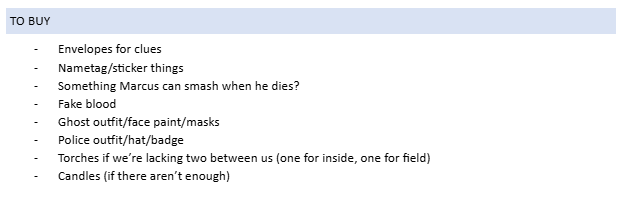
Wanting to prove it was possible to organise a Murder Mystery on a shoestring, we elected to produce every aspect of the weekend ourselves. From the catering to all of the media, every hour had been planned in meticulous detail. Lest the evening be ruined by an early false slip, the murderer had been informed of their role well in advance. They had been briefed on potential interrogation angles and had been given time to absorb the character fully.
ADVENTURE
By 6pm, everyone was assembled in the drawing room. Drinks and canapes were served, and all was well. Until the lights went out.
A screen burst to life. Mister Walter appeared on video. He congratulated his guests on accepting his invitation, then informed them that the weekend would provide an opportunity to reflect on the sins of their lives. The tone was somewhere between polite host and murderous moral accountant.
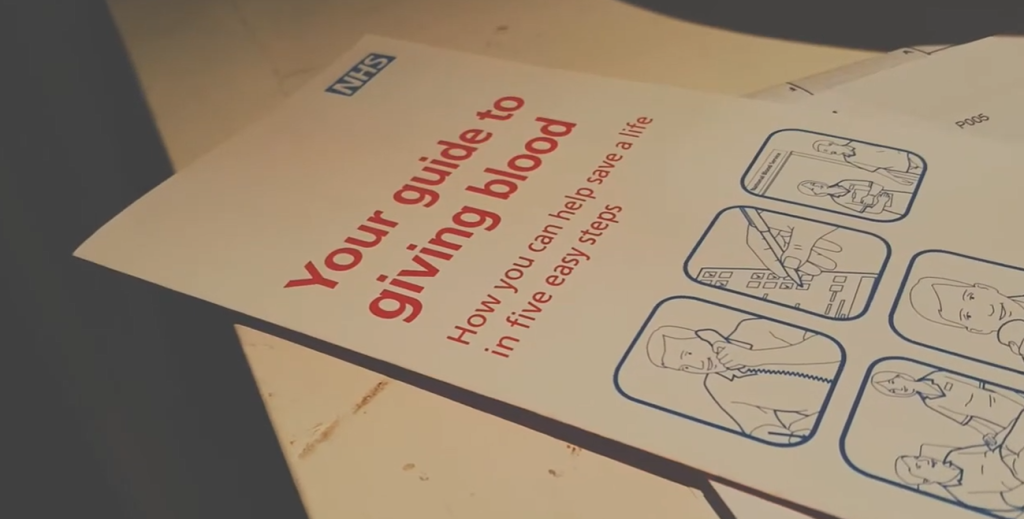
The first death came early. One guest, written in advance to meet an abrupt end (as he had to leave early), collapsed over dinner and vanished from the narrative as suddenly as they had entered it. Any lingering sense that this might be a gently comic country-house caper dissolved. The salmon mousse was innocent.
From there, the atmosphere grew darker.
Was it the Priest and his dark secret in Zante? Was it the Undertaker and his bloodlust for business? Or was it the Menagerist who needed an exit strategy from his simian love?
Clues were hidden throughout Walter’s Hall. Letters, objects, fragments of information tucked into drawers and behind frames. The villain’s name itself was an anagram waiting to be noticed. Guests formed alliances, concealed competing objectives, and discovered that the people they thought they knew were not necessarily on their side. One player delivered an entirely improvised clerical speech at dinner that somehow made theological sense of the chaos.
At one point, everyone was sent out into the pitch-black woods with torches, following a pre-arranged route where further clues lay hidden. The owls did most of the atmosphere work for us.
The mechanics were largely social. There were puzzles, yes, but the real engine was deduction and suspicion. What made the weekend hum was the way secrets collided. Giving each player private goals they could not share produced behaviour we could not have scripted if we tried.
And then came the cascade.
Unbeknownst to one another, several guests had been handed identical cards: if anything happened to a particular character, they would die 10 seconds later. When that character fell, the dominoes began. One by one, guests realised their fate was sealed. The villain did not merely escape. He won.
AFTERMATH
Murder at Walter’s Hall ended with twenty deaths and a sense that something genuinely unsettling had just occurred. Years later, that ending would become the premise for a sequel, when Walter’s Hall reopened as a macabre tourist attraction for those fascinated by the infamous weekend.
What we learned from the event stayed with us. The most satisfying moments were not the ones we forced. They were the ones we made possible. Give players secrets, structure, and a world that holds, and they will create the rest themselves.